




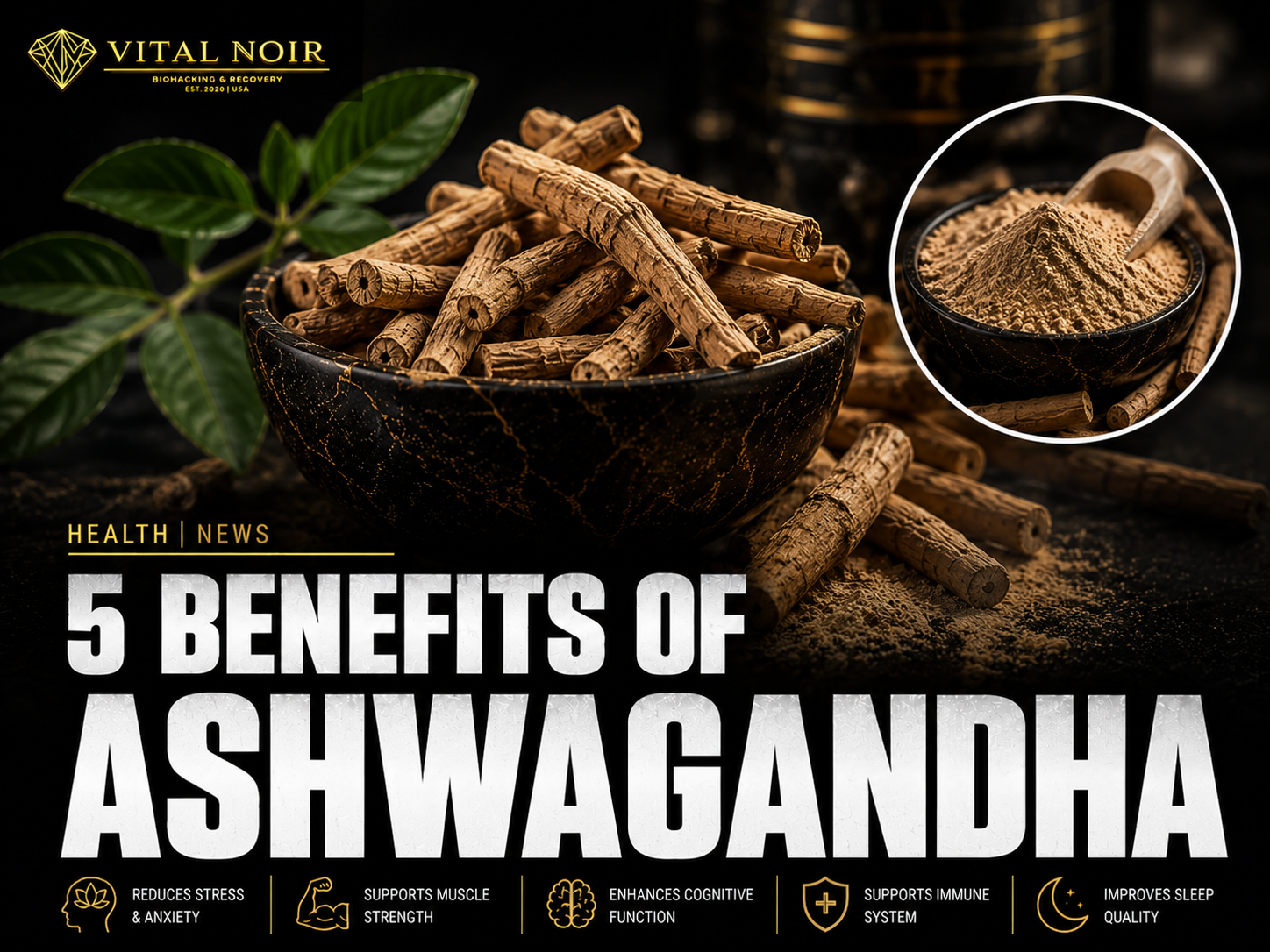
Introduction: Why Is Everyone Talking About Ashwagandha?
If you have spent any time exploring natural wellness trends lately, chances are you have heard about Ashwagandha. Once known primarily in traditional Ayurvedic medicine, this ancient adaptogenic herb has quickly become one of the most talked-about supplements in wellness communities.
People are turning to Ashwagandha for support with stress management, better sleep, focus, mood, energy levels, recovery, and overall balance. From busy professionals and parents to fitness enthusiasts and students, many are curious about whether this centuries-old herb can really help modern lifestyles.
But what exactly is Ashwagandha, and why has it become such a wellness powerhouse?
Known scientifically as Withania somnifera, Ashwagandha has been used for thousands of years in Ayurveda to help support resilience and vitality. Today, modern research continues exploring its potential role in stress reduction, sleep quality, physical performance, and cognitive support. Research suggests Ashwagandha may support the body’s ability to adapt to stress and improve overall well-being when used consistently. (Healthline)
In this guide, we will explore the top Ashwagandha benefits, how to use it, possible side effects, and smart ways to include it in your wellness routine.
What Is Ashwagandha?
Ashwagandha is a medicinal herb classified as an adaptogen, meaning it may help the body adapt to physical and emotional stress.
Native to India and parts of Asia, Ashwagandha belongs to traditional Ayurvedic medicine and has historically been used to promote vitality, endurance, relaxation, and balance.
The most commonly used part of the plant is the root, which contains naturally occurring compounds called withanolides. These compounds are believed to contribute to many of the herb’s wellness-supporting properties.
Ashwagandha comes in multiple forms:
- Capsules
- Root powder
- Standardized extracts
- Gummies
- Tea blends
Some people prefer powder for smoothies and wellness drinks, while others prefer capsules for convenience.
1. Ashwagandha May Help Reduce Stress and Support Calmness
Perhaps the most popular reason people take Ashwagandha is for stress management.
Modern life comes with constant pressure—work deadlines, lack of sleep, digital overload, finances, and family responsibilities. Chronic stress may affect sleep, focus, mood, energy, and overall wellness.
Ashwagandha is widely studied for its potential ability to support the body’s stress response.
Researchers believe it may influence cortisol, commonly known as the “stress hormone,” while helping regulate the body’s response to emotional and physical stress. Several studies suggest Ashwagandha supplementation may improve perceived stress and anxiety symptoms while helping promote emotional resilience. (Springer Nature Link)
Powder vs Capsules for Stress Support
If you enjoy making smoothies or wellness drinks, a root powder can be an easy addition to your daily routine.
A subtle option worth considering is the SHOPOSR Organic Ashwagandha Root Powder, which offers raw root powder sourced from India in a resealable kraft bag. Because it is unflavored, many people blend it into coffee, tea, smoothies, or nighttime drinks.
Others may prefer capsule-based options when consistency and convenience matter most.
2. Better Sleep and Evening Relaxation
Many people struggle with racing thoughts, mental overload, and poor sleep quality.
One reason Ashwagandha continues trending is its growing reputation for promoting more restful sleep.
Rather than acting like a sedative, Ashwagandha may work indirectly by helping the body feel calmer and more balanced, which could make falling asleep easier.
Research suggests Ashwagandha may improve sleep quality, reduce nighttime waking, and support relaxation, especially among people experiencing stress-related sleep disruption. Some studies suggest noticeable improvements may occur after several weeks of consistent use. (Healthline)
A Simple Bedtime Wellness Routine
Many people use Ashwagandha as part of a nighttime routine:
- Herbal tea
- Reduced screen time
- Magnesium-rich foods
- Meditation or breathing exercises
- Consistent sleep schedule
For people who dislike mixing powders, capsule formats may feel easier before bedtime.
The NaturaLife Labs Organic Ashwagandha 2100 mg per Serving supplement combines full-spectrum root powder with standardized extract in vegan capsules, making it a convenient option for those seeking a simplified daily routine.
3. Ashwagandha May Support Energy Levels Without Feeling Overstimulating
Unlike stimulants that may leave people jittery or crash later, Ashwagandha is often described as helping promote steadier energy.
Why?
When stress becomes chronic, mental and physical fatigue often follow.
Some research suggests Ashwagandha may help improve resilience to fatigue while supporting physical endurance and recovery. Instead of creating an immediate stimulant effect, many users describe a gradual feeling of balance and sustained energy. (Healthline)
This makes Ashwagandha appealing for:
- Busy professionals
- Parents juggling responsibilities
- Students under pressure
- Fitness enthusiasts
- People feeling mentally drained
If convenience matters, capsules may be easier to take consistently, while powders can work well for smoothies and pre-workout beverages.
4. Cognitive Support, Focus, and Mental Clarity
Mental fatigue is incredibly common today.
When stress levels rise, concentration often suffers.
Some emerging evidence suggests Ashwagandha may support memory, focus, and mental performance while helping reduce mental fatigue. Researchers continue exploring its potential relationship with cognitive wellness and concentration. (MDPI)
Although it is not a magic productivity supplement, many people include it in routines focused on:
- Better concentration
- Reduced overwhelm
- Improved productivity habits
- Mental clarity
Consistency matters more than expecting overnight results.
5. Ashwagandha and Physical Performance
Fitness communities have embraced Ashwagandha for another reason: exercise recovery and performance support.
Some studies suggest Ashwagandha may support endurance, strength, and physical recovery while helping reduce exercise-related stress on the body. Research is still evolving, but interest continues growing among active individuals. (MDPI)
Potential benefits may include:
- Exercise recovery support
- Physical endurance
- Workout resilience
- Muscle performance support
Because wellness habits work best when consistent, many athletes choose capsule forms for easier daily use.
6. Mood Support and Emotional Wellness
Mental wellness conversations have expanded dramatically in recent years.
Ashwagandha is increasingly discussed for its potential role in emotional balance.
Stress and poor sleep can influence mood, energy, irritability, and focus. By supporting relaxation and helping the body better respond to stress, Ashwagandha may indirectly support emotional well-being. (Springer Nature Link)
That said, Ashwagandha is not intended to replace professional care or treatment.
If someone experiences persistent anxiety, depression, or emotional distress, professional medical guidance matters.
7. Why Organic Ashwagandha Matters
When shopping for herbal supplements, quality matters.
Because Ashwagandha is plant-based, sourcing and manufacturing practices can make a difference.
Many wellness-focused consumers prefer:
- Organic ingredients
- Non-GMO formulas
- Transparent sourcing
- Standardized extracts
- Third-party tested supplements
This is one reason products sourced from India and clearly labeled with root-based ingredients continue gaining popularity.
For example, people who prefer flexibility in recipes may appreciate an organic powder format like SHOPOSR Organic Ashwagandha Root Powder, while capsule users seeking convenience may prefer NaturaLife Labs Organic Ashwagandha Capsules.
The best choice often depends on lifestyle and personal preference.
Powder vs Capsules: Which Form of Ashwagandha Is Best?
Choose Powder If You Prefer
- Smoothies
- Wellness drinks
- Flexible serving sizes
- Traditional herbal use

- PREMIUM USDA ORGANIC ASHWAGANDHA POWDER (WITHANIA SOMNIFERA or INDIAN GINSENG): Our Gluten Free Organic Ashwagandha Root…
- NATURAL ADAPTOGEN: Often referred to as the “Indian Ginseng”, Ashwagandha Root is known for its adaptogen properties – s…
- AYURVEDA TRADITIONAL USE: For thousands of years as a rasayana (rejuvenative) and an adaptogenic herb, meaning that it h…
Choose Capsules If You Prefer
- Convenience
- Travel-friendly wellness habits
- Consistent servings
- No preparation required

- ✔️ Made with organic ashwagandha root powder and root extract for a full-spectrum supplement
- ✔️ 2,100 mg per serving, including organic ashwagandha root powder, standardized root extract (2.5% withanolides), and o…
- ✔️ USDA Certified Organic, Non-GMO, Gluten-Free, and Vegan
There is no universal “best” format.
The right choice is the one that fits your routine consistently.
How Long Does Ashwagandha Take to Work?
One of the most common questions people ask is:
“How quickly does Ashwagandha work?”
Results vary.
Some people notice subtle changes within days, while others may take several weeks.
Research suggests benefits related to stress and sleep are often observed after 4–8 weeks of consistent use. Consistency appears to matter more than taking sporadic doses. (Healthline)
Are There Side Effects of Ashwagandha?
Ashwagandha is generally considered well tolerated for many healthy adults, though side effects are possible.
Potential side effects may include:
- Digestive discomfort
- Drowsiness
- Mild stomach upset
Ashwagandha may also interact with certain medications or health conditions. People who are pregnant, managing autoimmune conditions, thyroid concerns, or taking medications should consult a healthcare professional before starting supplementation. (Verywell Health)
Frequently Asked Questions About Ashwagandha
What is Ashwagandha best known for?
Ashwagandha is most commonly associated with stress support, relaxation, sleep quality, and overall wellness support.
Can Ashwagandha help with sleep?
Research suggests it may support better sleep quality, especially among people dealing with stress-related sleep disruption. (Healthline)
Is Ashwagandha better in powder or capsule form?
That depends on your routine. Powders offer flexibility, while capsules prioritize convenience.
How often should I take Ashwagandha?
Many people take it daily, though serving sizes vary depending on the product and wellness goals. (Healthline)
Is Ashwagandha safe long term?
Research continues evolving. Short-term use appears well tolerated for many adults, but it is always smart to consult a healthcare professional for personalized guidance. (Verywell Health)
Final Thoughts: Is Ashwagandha Worth Trying?
Ashwagandha has gone from an ancient Ayurvedic herb to one of today’s fastest-growing wellness supplements—and for good reason.
From stress resilience and improved sleep to focus, energy, and overall balance, Ashwagandha continues gaining attention among wellness enthusiasts looking for natural support.
Whether you prefer a traditional powder like SHOPOSR Organic Ashwagandha Root Powder or a convenient capsule formula like NaturaLife Labs Organic Ashwagandha 2100 mg, consistency and product quality matter.
No supplement works overnight, but when paired with healthy habits like sleep, exercise, hydration, and stress management, Ashwagandha may become a valuable addition to a balanced wellness routine.