


Chronic inflammation has become one of the most discussed health topics in recent years. From joint discomfort and stiffness to metabolic health concerns, persistent low-grade inflammation is associated with many chronic conditions. As a result, more people are turning to natural compounds such as turmeric and its active ingredient, curcumin, to support a healthier inflammatory response.
One of the most common questions is:
How long does turmeric take to work for chronic inflammation?
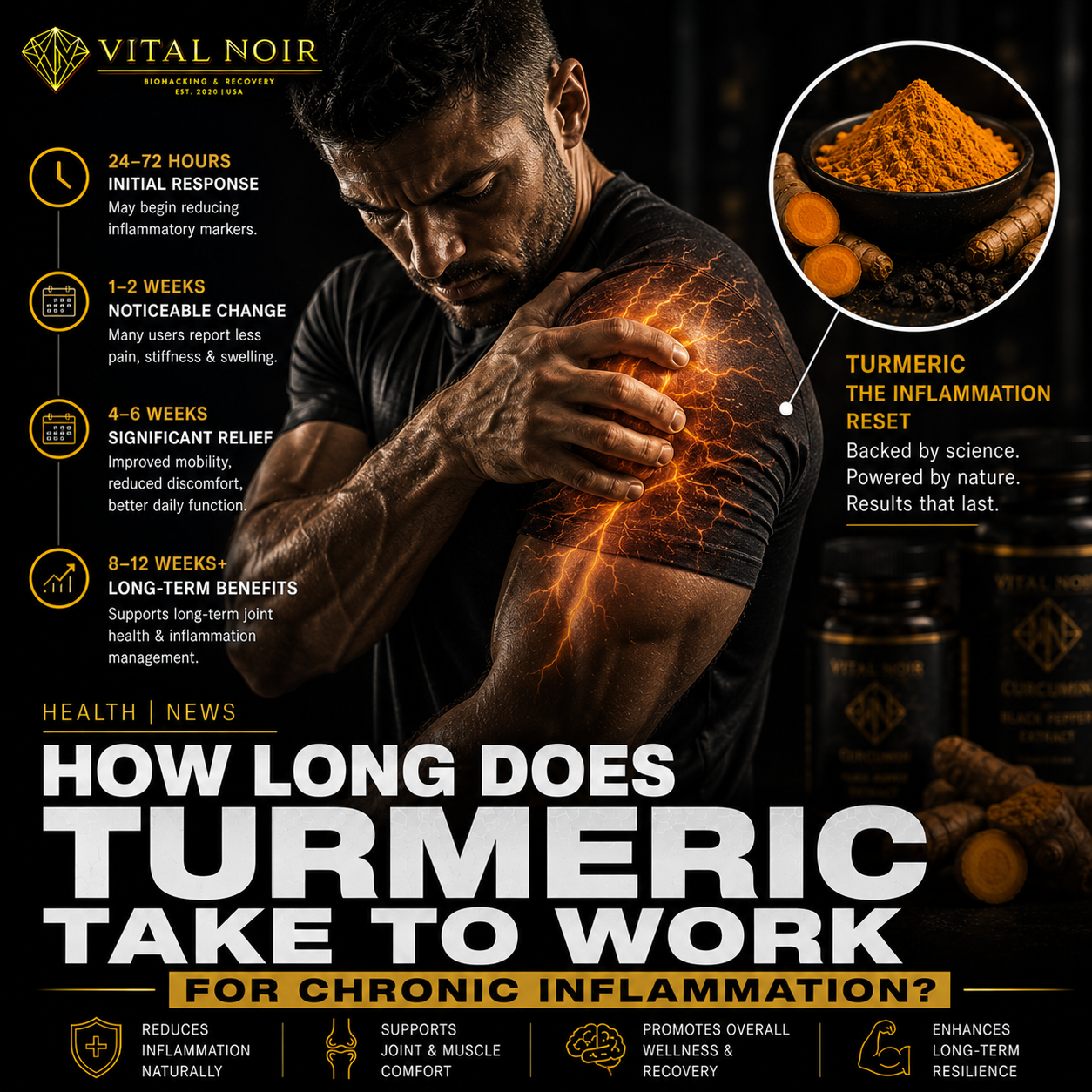
The short answer is that most clinical studies report noticeable improvements between 4 and 12 weeks of consistent use, depending on the individual’s health status, dosage, supplement quality, and the specific inflammatory condition being addressed. Research suggests that some people may notice improvements in joint comfort within a month, while measurable reductions in inflammatory biomarkers often require longer supplementation periods.
In this guide, we’ll explore what current research says, what affects the timeline, and how to choose an effective turmeric supplement.
Understanding Why Turmeric May Help Inflammation
Turmeric (Curcuma longa) contains several beneficial plant compounds known as curcuminoids. The most studied of these is curcumin, which has been investigated extensively for its anti-inflammatory and antioxidant properties.
Laboratory and clinical research suggests curcumin may influence multiple inflammatory pathways, including:
- NF-kB signaling
- Tumor necrosis factor-alpha (TNF-α)
- C-reactive protein (CRP)
- Oxidative stress mechanisms
- Cytokine activity involved in chronic inflammation
These mechanisms are believed to contribute to turmeric’s potential role in supporting joint health, cardiovascular health, metabolic function, and overall wellness.
So, How Long Does Turmeric Take to Work?
Weeks 1–2: Early Biological Activity
Although curcumin begins interacting with inflammatory pathways shortly after supplementation, most individuals should not expect dramatic changes during the first two weeks.
At this stage, the body is gradually accumulating beneficial compounds, particularly when using standardized turmeric extracts with enhanced absorption.
For chronic inflammation, improvements are often subtle and may not yet be noticeable.
Weeks 4–6: Initial Symptom Improvements
Several clinical trials involving individuals with osteoarthritis and inflammatory conditions have reported improvements in:
- Joint comfort
- Mobility
- Morning stiffness
- Physical function
during the first 4–6 weeks of supplementation.
This timeframe is often when users begin reporting subjective benefits.
Weeks 8–12: Significant Inflammatory Changes
Research evaluating inflammatory biomarkers frequently shows the strongest improvements after 8 to 12 weeks of continuous use.
Multiple meta-analyses have found reductions in markers such as:
- C-reactive protein (CRP)
- TNF-alpha
- Oxidative stress indicators
following sustained curcumin supplementation.
For many people with chronic inflammation, this period represents the point where both symptom relief and measurable biological effects become more evident.
What Determines How Quickly Turmeric Works?
1. Bioavailability Matters
One of the biggest challenges with curcumin is absorption.
Curcumin has naturally low bioavailability, meaning the body absorbs only a small percentage when consumed alone.
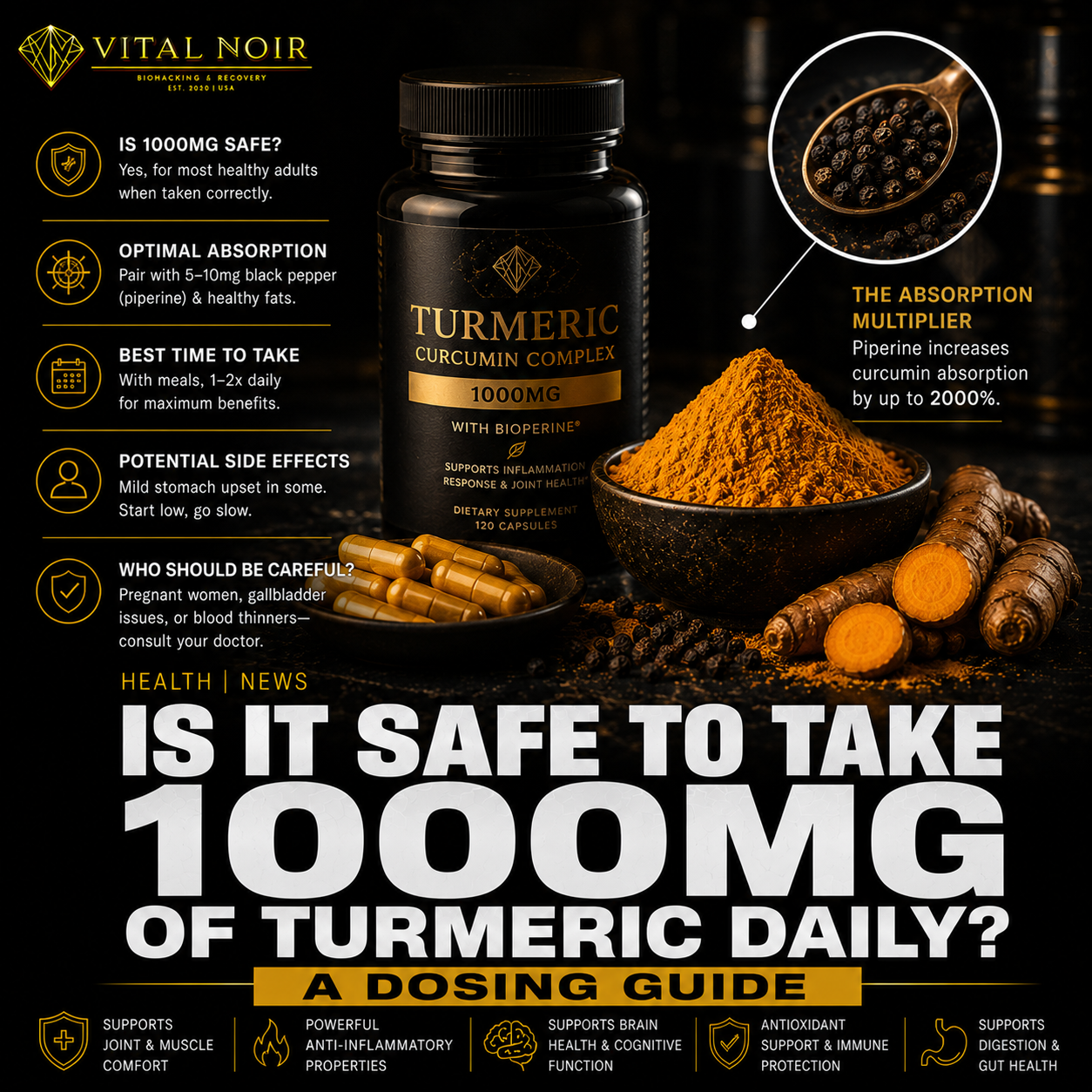
Research shows that combining curcumin with black pepper extract (piperine) can significantly improve absorption and increase the likelihood of achieving meaningful therapeutic levels.
2. Consistency Is Critical
Turmeric is not designed to act like a pain medication.
Instead, its benefits tend to accumulate over time through repeated daily use.
Missing doses regularly may delay results.
3. The Type of Inflammation
Someone experiencing mild inflammation may notice improvements faster than an individual dealing with:
- Osteoarthritis
- Rheumatoid arthritis
- Metabolic syndrome
- Chronic systemic inflammation
More complex inflammatory conditions often require longer supplementation periods before meaningful changes occur.
4. Supplement Quality
Not all turmeric products are created equally.
Studies that demonstrate positive outcomes typically use standardized turmeric extracts with clearly stated curcuminoid content.
Raw turmeric powder can provide health benefits but generally contains much lower concentrations of curcumin compared with concentrated extracts.
What Does the Clinical Evidence Show?
A growing body of evidence supports turmeric’s potential role in inflammation management.
A 2024 review of randomized controlled trial meta-analyses found that curcumin supplementation was associated with reductions in inflammatory markers, including CRP, across multiple populations.
A recent systematic review involving patients with knee osteoarthritis found turmeric preparations improved pain outcomes compared with placebo.
Another meta-analysis involving over 1,700 participants reported reductions in CRP and TNF-alpha levels among individuals receiving curcumin supplementation.
While results are promising, researchers continue to emphasize that turmeric should be viewed as a supportive nutritional strategy rather than a standalone treatment for chronic disease.
Recommended Amazon Turmeric Products
If you’re considering turmeric supplementation, choosing a product with standardized curcumin content is important.
Option 1: NatureWise Turmeric Curcumin
Based on the product shown above, NatureWise Turmeric Curcumin Organic Ginger Formula is a popular option that combines:
- Standardized curcuminoids
- Organic turmeric
- Organic ginger
- Black pepper extract (BioPerine®) to enhance absorption
The inclusion of piperine may improve curcumin bioavailability, which is one of the key factors influencing effectiveness.

- MADE WITH ORGANIC TURMERIC – CERTIFIED BY CCOF: This clean Turmeric Curcumin supplement is made with organic turmeric ro…
- 500MG CURCUMINOIDS: Our Curcumin is standardized to deliver 95% curcuminoids, the beneficial components in turmeric.* Ev…
- HIGH ABSORPTION: Curcumin by itself is poorly absorbed by the body. Our turmeric with black pepper capsules are enhanced…
Option 2: Organic Turmeric Root Powder
The organic turmeric powder shown in the image may be a suitable option for:
- Smoothies
- Golden milk
- Cooking
- Homemade wellness recipes
However, because raw turmeric powder contains lower concentrations of curcumin, results may be less predictable than standardized extracts when targeting chronic inflammation.

- PREMIUM USDA ORGANIC Turmeric POWDER (Curcumin Longa): Our Gluten Free Organic Turmeric Root Powder is packed in a resea…
- HIGH CURCUMIN CONTENT: Our Turmeric Powder is tested to have a minimum of 3% of Curcumin
- PURITY: No Colors, NO Additives, No Preservatives, and NO ETO Treatment
Option 3: Fresh Turmeric Root
Fresh turmeric root offers a minimally processed alternative and can be incorporated into:
- Juices
- Teas
- Soups
- Functional foods
While nutritionally valuable, fresh root typically provides lower curcumin concentrations compared with concentrated supplements used in clinical studies.

- RAW TURMERIC ROOT – Unleash your inner chef and add a dose of flavor to your cooking with certified organic, tumeric roo…
- IMPORTED FROM FIJI – From the pristine foliage of Fiji Island, this wild-picked organic tumeric is bursting with flavor …
- A VERSATILE INGREDIENTS – Discover the dazzling color and delicious taste of tumeric raw root! This vibrant spice is per…
When Should You Talk to Your Healthcare Provider?
Turmeric supplements are generally well tolerated, but they may interact with:
- Blood-thinning medications
- Diabetes medications
- Certain chemotherapy agents
- Gallbladder conditions
Anyone with an existing medical condition should consult a qualified healthcare professional before starting supplementation.
Want to Learn More About Turmeric?
This article focuses specifically on the question:
“How long does turmeric take to work for chronic inflammation?”
If you want a deeper understanding of:
- Turmeric root benefits
- Curcumin science
- Absorption strategies
- Supplement comparisons
- Safety considerations
- Evidence-based wellness applications
we recommend reading our comprehensive pillar guide:
Turmeric Root Benefits Guide:
https://vitalnoir.com/turmeric-root-benefits-guide/
This resource explores the broader science behind turmeric and curcumin in much greater detail.
Frequently Asked Questions
Does turmeric reduce inflammation immediately?
Not typically. While curcumin begins interacting with inflammatory pathways quickly, most clinical studies observe meaningful benefits after several weeks of consistent use.
How much turmeric should I take daily for inflammation?
Clinical studies have used a wide range of dosages, often between 500 mg and 1,500 mg of curcumin daily. Individual needs vary, and healthcare guidance is recommended.
Is turmeric powder as effective as curcumin supplements?
Turmeric powder provides beneficial compounds but contains significantly lower concentrations of curcumin than standardized extracts used in research.
Why is black pepper often included with turmeric supplements?
Black pepper contains piperine, which can substantially enhance curcumin absorption.
Can turmeric replace anti-inflammatory medications?
No. Turmeric should not be considered a replacement for prescribed medical treatments unless advised by a healthcare professional.
Final Thoughts
When asking how long turmeric takes to work for chronic inflammation, the most evidence-based answer is:
Expect approximately 4–6 weeks for initial improvements and 8–12 weeks for more substantial changes in inflammatory markers and symptom relief.
The key factors influencing results include supplement quality, curcumin bioavailability, dosage, consistency, and the underlying inflammatory condition.
While turmeric is not a miracle cure, current research suggests it can be a valuable part of a broader wellness strategy that includes a nutrient-dense diet, regular exercise, quality sleep, and appropriate medical care.