



Table of Contents
- Introduction
- What Is Turmeric Root?
- Turmeric Root Nutrition Facts
- Turmeric vs. Curcumin: Understanding the Difference
- Science-Backed Benefits of Turmeric Root
- Why Bioavailability Matters
- Potential Side Effects and Safety Considerations
- How to Use Fresh Turmeric Root
- How Much Turmeric Root Should You Take?
- Recommended Turmeric Products
- Frequently Asked Questions
- Final Thoughts
Introduction
Turmeric root has been used for thousands of years in traditional wellness practices and culinary traditions throughout Asia. Today, modern scientific research continues to investigate its bioactive compounds, particularly curcumin, for their potential role in supporting overall health and wellness.
As interest in natural health solutions grows, turmeric root has become one of the most studied botanical ingredients in nutritional science. Whether consumed fresh, dried, powdered, or in supplement form, turmeric remains a cornerstone of many evidence-based wellness routines.
This guide explores what turmeric root is, its nutritional profile, scientifically investigated benefits, safety considerations, and practical ways to incorporate it into a healthy lifestyle.
What Is Turmeric Root?
Turmeric root comes from the plant Curcuma longa, a flowering member of the ginger family (Zingiberaceae). The part commonly consumed is the underground rhizome, recognizable by its vibrant golden-orange color.
Turmeric contains hundreds of naturally occurring compounds, but curcuminoids are the most studied. Among them, curcumin receives the greatest scientific attention due to its antioxidant and anti-inflammatory properties.
Fresh turmeric root has an earthy, slightly peppery flavor and is commonly used in:
- Herbal preparations
- Golden milk recipes
- Smoothies
- Soups and curries
- Wellness tonics
- Functional nutrition protocols
Turmeric Root Nutrition Facts
Fresh turmeric root provides a range of beneficial plant compounds while remaining naturally low in calories.
Notable nutrients include:
- Dietary fiber
- Potassium
- Vitamin C
- Manganese
- Iron
- Magnesium
- Curcuminoids
- Essential oils
The concentration of curcuminoids varies significantly depending on cultivation methods, processing techniques, and product quality.
Turmeric vs. Curcumin: Understanding the Difference
A common source of confusion is the distinction between turmeric and curcumin.
Turmeric
The entire root containing numerous naturally occurring compounds.
Curcumin
One specific active polyphenol found within turmeric.
Think of turmeric as the whole food and curcumin as one of its most researched components.
Many clinical studies focus specifically on standardized curcumin extracts because they provide higher concentrations than culinary turmeric alone.
Science-Backed Benefits of Turmeric Root
Rich in Antioxidants
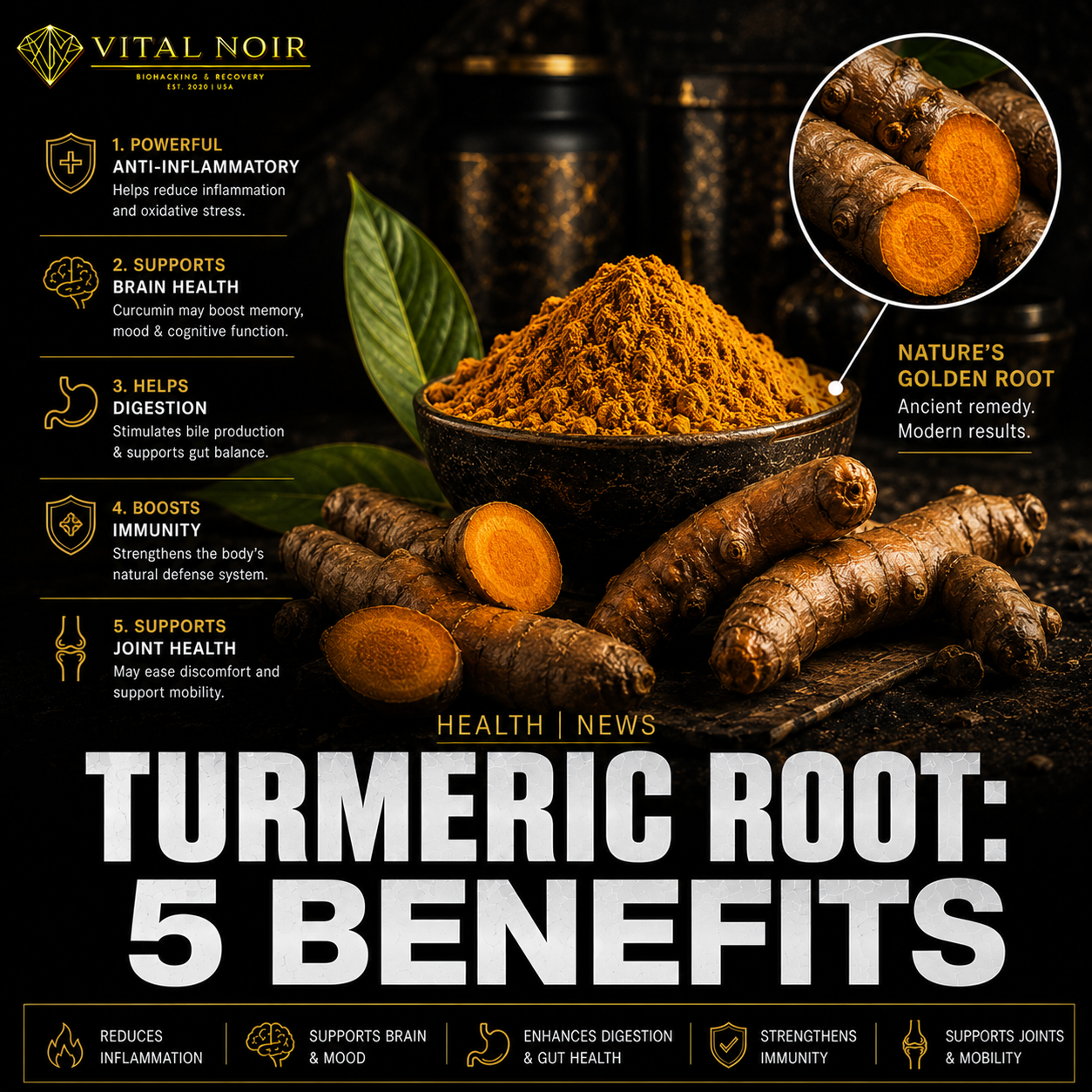
Turmeric contains powerful antioxidant compounds that help neutralize free radicals generated during normal metabolism and environmental exposure.
Oxidative stress is an area of ongoing scientific interest because it may contribute to cellular aging and various chronic health challenges.
Supports a Healthy Inflammatory Response
Research suggests curcumin may help support the body’s normal inflammatory processes.
Inflammation is a natural biological response that plays an essential role in healing and immune function. However, prolonged inflammatory activity may impact overall wellness.
Numerous human and laboratory studies continue to investigate curcumin’s interaction with pathways involved in inflammation regulation.
May Support Joint Health and Mobility
Joint comfort is one of the most researched applications of turmeric-derived compounds.
Several clinical trials have explored curcumin supplementation in adults seeking support for mobility and physical function.
While results vary between studies, researchers continue investigating turmeric’s role as part of a comprehensive wellness strategy.
Supports Digestive Wellness
Traditional wellness systems have historically used turmeric to support digestion.
Emerging research suggests turmeric compounds may interact with digestive processes and gut health mechanisms, although additional high-quality human studies are needed.
Supports Cognitive Health Research
Scientists are exploring whether curcumin’s antioxidant properties may influence factors associated with healthy aging and cognitive function.
Although promising findings exist, further research is necessary before definitive conclusions can be made.
Supports Cardiovascular Wellness
Cardiovascular health remains another active area of turmeric research.
Researchers are evaluating potential effects on oxidative stress markers, endothelial function, and other factors related to heart health.
Current evidence remains encouraging but evolving.
Why Bioavailability Matters
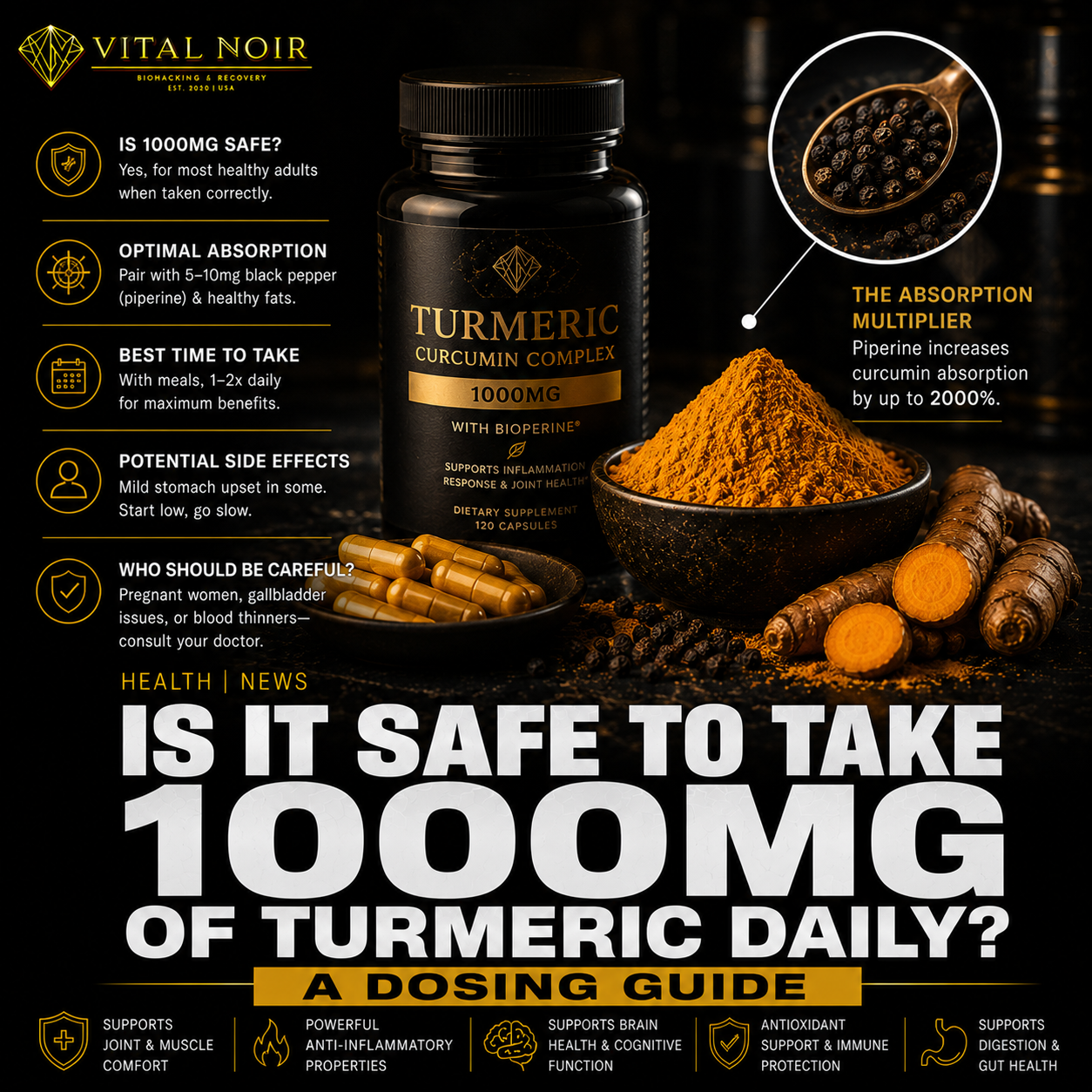
One challenge with curcumin is its naturally low bioavailability.
This means the body may absorb only a small percentage of curcumin when consumed alone.
Strategies commonly used to enhance absorption include:
- Combining turmeric with black pepper
- Using piperine-enhanced supplements
- Consuming turmeric alongside healthy fats
- Choosing specialized curcumin formulations
Potential Side Effects and Safety Considerations
Turmeric is generally considered safe for most healthy adults when used appropriately.
However, some individuals should consult a healthcare professional before increasing intake.
Potential considerations include:
- Blood-thinning medications
- Gallbladder conditions
- Certain digestive disorders
- Pregnancy and breastfeeding considerations
- Upcoming surgical procedures
Possible side effects may include:
- Digestive discomfort
- Nausea
- Stomach upset
- Diarrhea in sensitive individuals
Always consult a qualified healthcare provider before making significant dietary or supplementation changes.
How to Use Fresh Turmeric Root
Fresh turmeric root is versatile and easy to incorporate into daily meals.
Popular options include:
Turmeric Tea
Slice fresh turmeric root and simmer in water for 10–15 minutes.
Optional additions:
- Ginger
- Lemon
- Honey
- Black pepper
Smoothies
Blend fresh turmeric with:
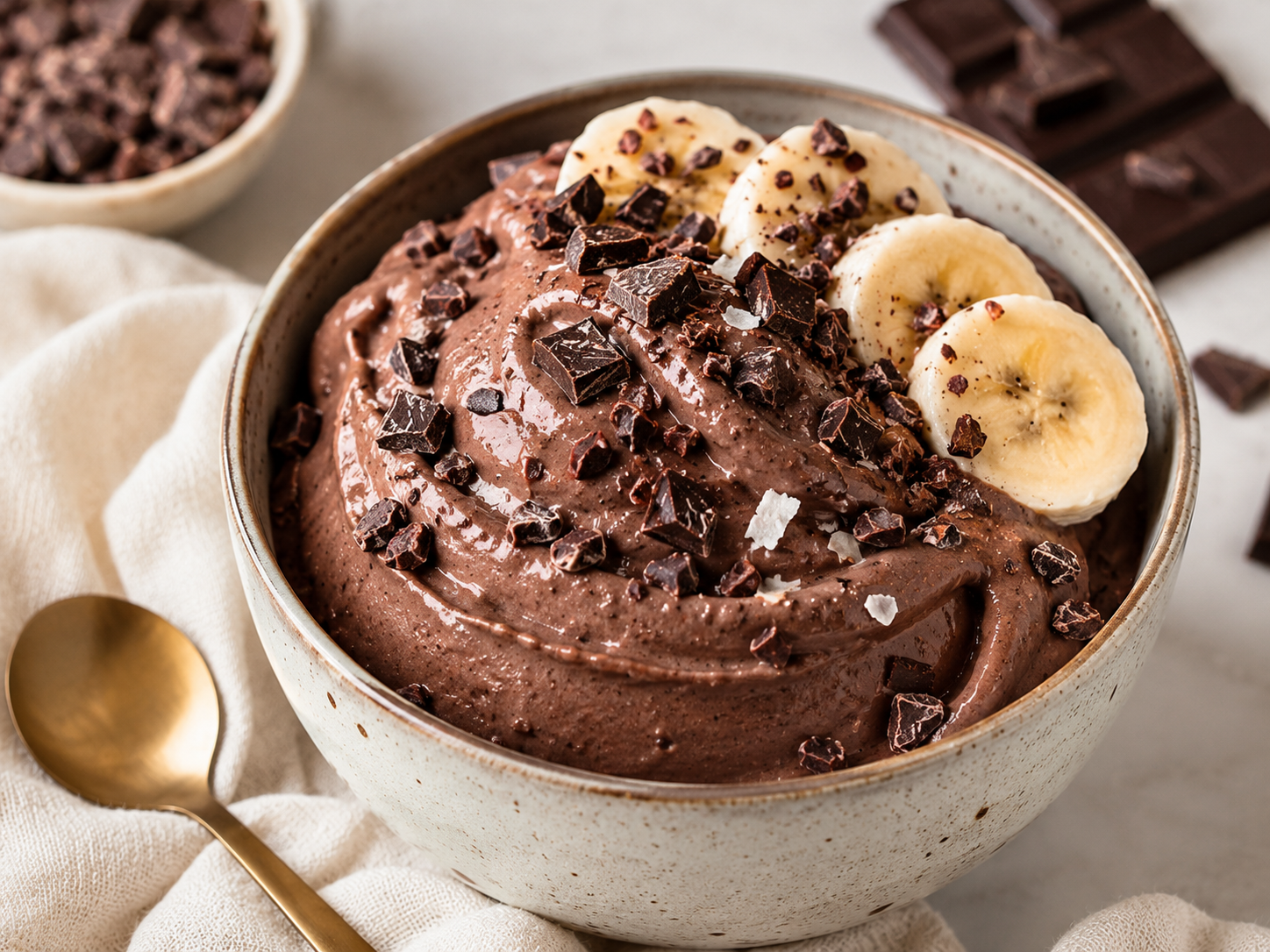
- Banana
- Mango
- Pineapple
- Coconut milk
Soups and Curries
Fresh turmeric can be grated directly into recipes for added flavor and color.
Wellness Shots
Combine turmeric, ginger, lemon juice, and black pepper for a concentrated wellness beverage.
How Much Turmeric Root Should You Take?
There is no universally established daily intake for fresh turmeric root.
Research studies often investigate standardized curcumin extracts rather than culinary turmeric.
Individual needs vary based on:
- Age
- Health status
- Dietary habits
- Supplement formulations
Follow product directions and seek professional guidance when appropriate.
Recommended Turmeric Products
For those looking to incorporate turmeric into their wellness routine, consider these popular options:
NatureWise Organic Turmeric Curcumin
A standardized curcumin supplement formulated for enhanced absorption and convenience.
Best for:
- Daily supplementation
- Consistent dosing
- Curcumin-focused wellness support

- MADE WITH ORGANIC TURMERIC – CERTIFIED BY CCOF: This clean Turmeric Curcumin supplement is made with organic turmeric ro…
- 500MG CURCUMINOIDS: Our Curcumin is standardized to deliver 95% curcuminoids, the beneficial components in turmeric.* Ev…
- HIGH ABSORPTION: Curcumin by itself is poorly absorbed by the body. Our turmeric with black pepper capsules are enhanced…
Fresh Turmeric Root
Whole turmeric rhizomes provide a minimally processed option suitable for cooking, teas, and homemade wellness preparations.
Best for:
- Fresh recipes
- Functional cooking
- Whole-food nutrition

- RAW TURMERIC ROOT – Unleash your inner chef and add a dose of flavor to your cooking with certified organic, tumeric roo…
- IMPORTED FROM FIJI – From the pristine foliage of Fiji Island, this wild-picked organic tumeric is bursting with flavor …
- A VERSATILE INGREDIENTS – Discover the dazzling color and delicious taste of tumeric raw root! This vibrant spice is per…
SHOPOSR Organic Turmeric Powder
USDA Organic turmeric powder that can be added to beverages, recipes, and wellness blends.
Best for:
- Golden milk
- Smoothies
- Baking
- Everyday culinary use

- PREMIUM USDA ORGANIC Turmeric POWDER (Curcumin Longa): Our Gluten Free Organic Turmeric Root Powder is packed in a resea…
- HIGH CURCUMIN CONTENT: Our Turmeric Powder is tested to have a minimum of 3% of Curcumin
- PURITY: No Colors, NO Additives, No Preservatives, and NO ETO Treatment
Frequently Asked Questions
What is turmeric root good for?
Turmeric root contains curcuminoids and antioxidants that are being studied for their potential role in supporting overall wellness, healthy inflammatory responses, and antioxidant defenses.
Is fresh turmeric root better than powder?
Both forms can be beneficial. Fresh turmeric offers a whole-food option, while powdered turmeric provides convenience and longer shelf life.
Can I consume turmeric every day?
Many people incorporate turmeric into their daily diet. Individual tolerance and health circumstances vary.
What is the difference between turmeric root and curcumin?
Turmeric root is the whole rhizome, while curcumin is one of the primary bioactive compounds found within turmeric.
Does turmeric need black pepper?
Black pepper contains piperine, which may enhance curcumin absorption and bioavailability.
Final Thoughts
Turmeric root remains one of the world’s most researched botanical ingredients. Its rich history, nutritional profile, and growing body of scientific literature continue to make it a popular component of modern wellness routines.
While research into curcumin and related compounds continues to evolve, current evidence supports turmeric’s value as part of a balanced lifestyle that includes nutritious food, regular physical activity, quality sleep, and evidence-based healthcare.
As with any supplement or dietary change, informed decision-making and professional guidance remain important, particularly for individuals with existing medical conditions or medication use.
3 Responses